
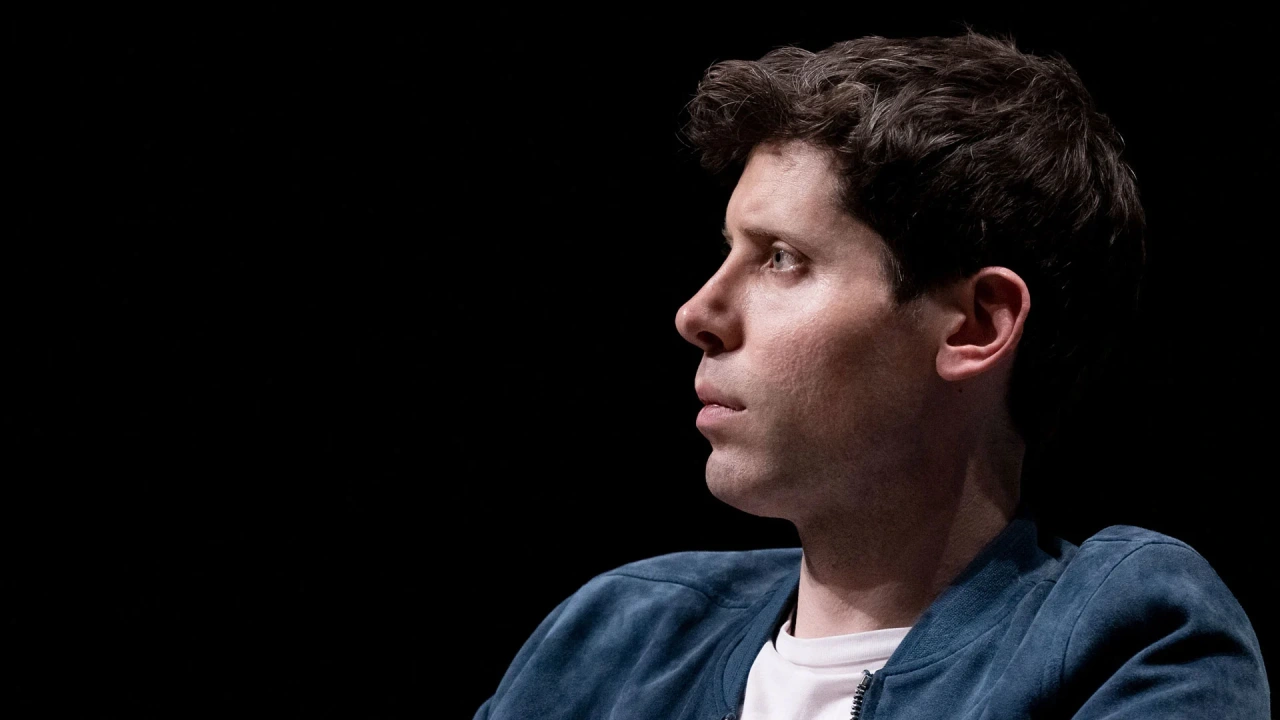
Sam Altman has made headlines by firmly rejecting a $97 billion acquisition offer for OpenAI from a group led by Elon Musk. The bid, reported by Upstox and other platforms, was not merely a financial move but a challenge to OpenAI’s autonomy and mission. Altman’s response, delivered through a direct and symbolic tweet on platform X (formerly Twitter), underscored his commitment to keeping OpenAI independent.
The tweet—poignant and pointed—marked more than a rejection; it was a declaration of values in the face of mounting corporate influence over AI development. His counter to Musk’s offer signals a broader ideological divide in the tech world over who should shape the future of artificial intelligence.

As AI governance, transparency, and ethics dominate global conversations, Altman’s stand reinforces OpenAI’s original vision: ensuring AGI benefits all of humanity. The incident highlights the tension between innovation, control, and the responsibilities of AI leadership today.
The Offer and Its Implications
The atthill.com policy technology 5005837 Sam Altman Elon Musk group puts forth a $97B offer for OpenAI. Sam Altman says no thanks to that (Also see at moneycontrol.com, which reports Elon Musk-led group puts forward to buy out OpenAI for $97 billion, Sam Altman says no).
Here is a paraphrase of the provided text: Elon Musk’s group puts forth an offer for OpenAI in the amount of $97B. OpenAI CEO says no thanks to the offer at hand.
goodbye, GPT-4. you kicked off a revolution.
we will proudly keep your weights on a special hard drive to give to some historians in the future.
— Sam Altman (@sama) May 1, 2025
A Personal and Public Rejection
Here is the paraphrased text: news at abplive reports that Sam Altman to return as OpenAI CEO which Twitter X and Microsoft agree to — also we have that Sam Altman puts forward a counter to Elon Musk’s $97 bn deal for OpenAI in upstox which notes that Sam does in fact say he is not putting OpenAI up for sale which he did in response to Musk’s bid also in related news from the standard which reports that Sam reiterates OpenAI is not for sale after the Musk led bid.
Broader Context: AI Regulation and Corporate Competition.
This issue is a case study in the larger-scale issues that surround AI governance. As we see AI technologies grow, we are faced with the question of control, transparency, and what is ethical. OpenAI’s transition from non-profit to a capped profit model has been at the fore of these issues, which critics say is a break from the company’s basic mission
Here is the tech news out of timesofindia.indiatimes.com which reports that OpenAI CEO Sam Altman wants Twitter to take it easy on the next big thing in AI.

Conclusion
Sam Altman’s tweet rejecting Elon Musk’s $97 billion bid for OpenAI was far more than a mere business response—it was a powerful reaffirmation of the company’s core values and mission. By turning down the offer, Altman made it clear that OpenAI is not just another tech firm open to acquisition, but a visionary institution committed to responsible innovation and independence.
The public nature of the response highlighted a deeper ideological divide: one that pits commercial control against ethical stewardship in the rapidly evolving AI landscape. Altman’s stand echoes broader concerns about how artificial intelligence should be developed, governed, and shared with the world.

As AI becomes increasingly integrated into society, this incident serves as a defining moment, emphasizing the importance of maintaining integrity, transparency, and long-term vision in tech leadership. It’s a pivotal example of how resisting short-term gain can strengthen the mission to build safe and beneficial AI for all.